looking to buy a home?
Submit this Form and Benefit from our 25 Years' Experience & Strong Local Network.For many years, crossing the border between Spain and Gibraltar was difficult. People had to wait in long lines because passport checks could take a long time. It affected daily life, work, and travel.
From 15 July 2026, this is changing. A new agreement between the UK, the EU, and Spain will remove the checks at the land border. This is the biggest change in many years. It will make life easier for people living and working in the area.
A Long History of Division
To understand why this deal is such a big deal, you need to know a little bit of history. Back in 1969, Spain’s leader at the time, Francisco Franco, completely closed the border with Gibraltar. No cars, no people, no goods, nothing could cross. It stayed that way for years. Pedestrians were only allowed back in 1982, and cars had to wait until 1985 before they could cross again.
Then came Brexit. When the UK left the European Union in 2020, Gibraltar got caught in the middle. It is British territory, so it left the EU along with the UK. But it sits right next to Spain, which is an EU country. Suddenly, thousands of people who crossed the border every day for work were facing new rules and confusion. Things kept running thanks to some temporary agreements, but nobody knew what the long-term plan was.
The Big Agreement
In June 2025, after four years of negotiations, a major political agreement was finally announced. The full written treaty was completed in December 2025 and made public on 26 February 2026. The deal involves the UK, the EU, Spain, and Gibraltar, and it changes almost everything about how the border works.
So What Is Actually Going to Change?
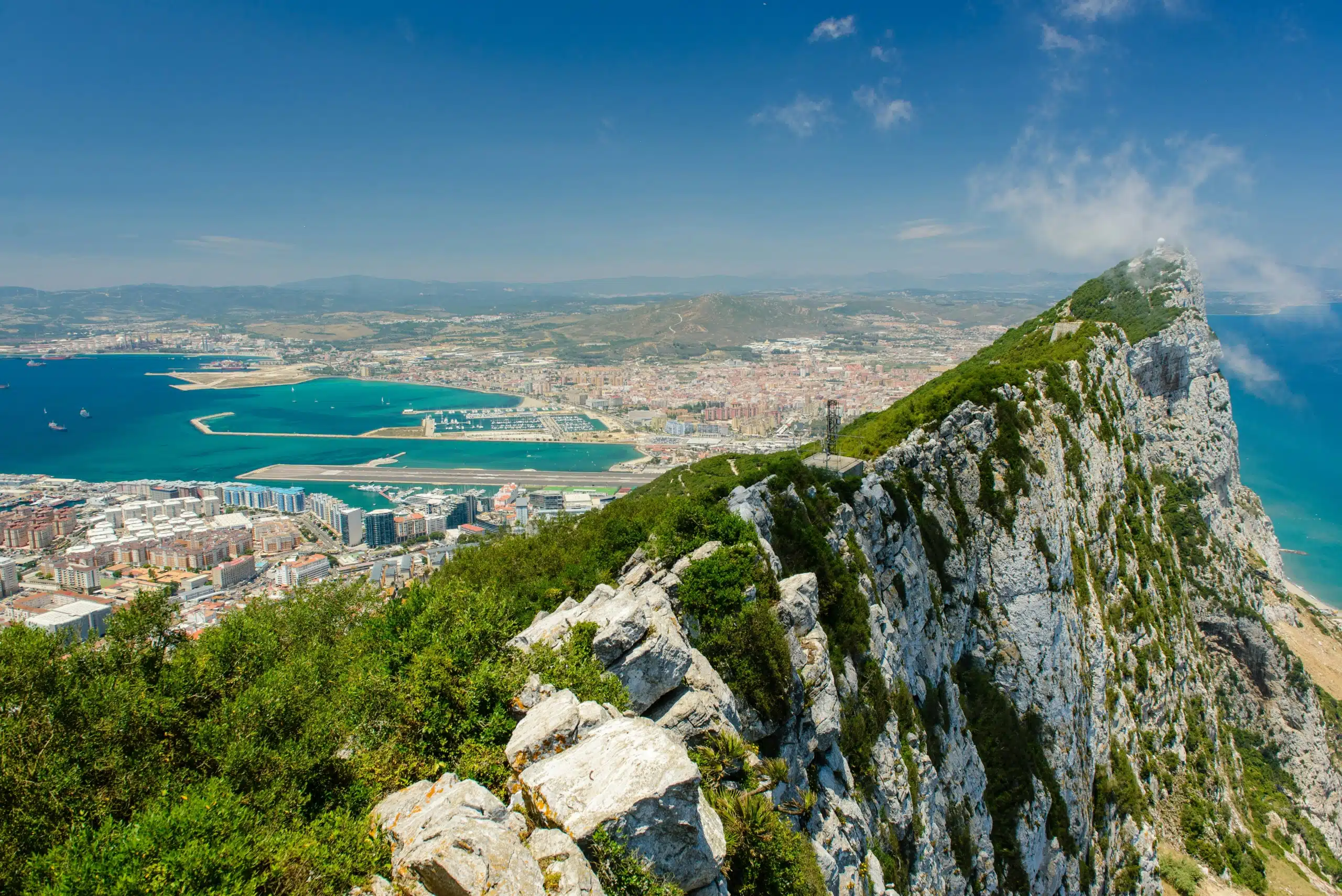
The biggest change is that the physical border fence between Gibraltar and Spain, which is called La Verja, is going to be removed. There will be no more passport queues at the fence. Instead, border controls will move to Gibraltar’s airport and seaport. That means if you are flying in or arriving by sea, you will go through checks there, not at the land border with Spain. While Spanish officials conduct inspections on behalf of the European Union, the authorities in Gibraltar will maintain their own independent screening processes at the airport and seaport.
The EU’s New Digital Border System
At the same time as all this is happening, the EU has been rolling out a new digital border system called the Entry/Exit System, or EES. This system started in October 2025 and became fully operational in April 2026. It replaces the old passport stamp with a digital record as your fingerprints and a photo of your face are scanned and stored to track how long you stay in the EU.
This system now applies at most EU borders for non-EU travellers. But here is where Gibraltar is different: the agreement says the EES will not apply at the land border between Gibraltar and Spain.
This is a huge relief for the roughly 14,000 to 15,000 people who cross that land border every single day for work.
Who Benefits From This Deal?
People who live in Gibraltar will notice the biggest positive change. Crossing into Spain will become quick and easy, much like crossing between two normal neighbouring countries.
EU citizens and Spanish locals living near the border will also benefit. The Campo de Gibraltar area in southern Spain is closely linked to Gibraltar’s economy. Easier movement means better job opportunities and stronger ties between the two sides.
British tourists visiting (those without Spanish residency) still need to follow the EU’s 90-day rule. You can only spend 90 days out of every 180 days in the Schengen zone.
This means that time spent in Gibraltar may count toward your stay in Spain and other European countries. Because new digital systems will track this automatically, it will be harder to go over the limit without being noticed.
Changes to Trade and Shopping
Another part of the Spain Gibraltar Border Changes deals with goods and trade. In the past, Gibraltar had lower taxes on items like tobacco and alcohol. This created differences in prices and sometimes led to problems with smuggling.
Now, Gibraltar will start to follow similar rules to the EU for many goods. A new tax will be introduced on imported products, starting at around 15% and increasing gradually over the next few years.
For residents, this may mean some prices go up. But at the same time, it should make it easier to bring goods into Gibraltar, improving supply and choice.
Sovereignty Stays the Same
A key point in the agreement is that Gibraltar will remain British. The deal does not change sovereignty.
Even though Spanish officials will be involved in border checks at the airport, this does not mean Spain controls Gibraltar. It is simply part of how the new system works.
The UK will also keep full control over its military base in Gibraltar, which remains important for its global strategy.
Boost for Tourism
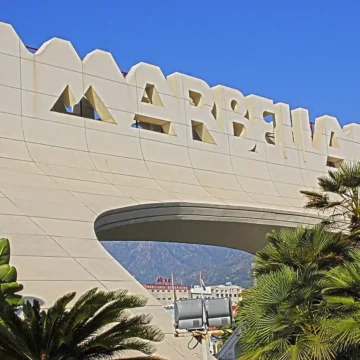
Tourism is expected to benefit a lot from these changes. In the past, many tourists avoided visiting Gibraltar because of long border queues. Now, with easier access, it becomes a much more attractive destination. Visitors staying in places like Marbella or Estepona can plan trips without worrying about delays.
At the same time, people flying into Gibraltar can easily travel to Spain, which could bring more visitors to the wider region. Overall, tourism on both sides of the border is likely to grow.
Challenges to Expect
Even with all the benefits, there will still be some challenges. The new system will take time to get used to. Having Spanish officials at Gibraltar’s airport may feel unusual for some people. Also, new biometric checks could feel more complicated at first.
Changes to taxes may also affect Gibraltar’s role as a low-cost shopping destination. So while the border becomes easier, other parts of the system may feel stricter.
New Way Forward
This agreement is being watched closely because it offers a new way of working after Brexit. Gibraltar remains British, but it is also more connected to Europe than before.
Instead of a physical fence, the border becomes more digital and more organised. For the people living and working in the region, this means:
- Less time spent waiting
- More stable daily routines
- Better economic opportunities
Final Thoughts
The changes coming in July 2026 will reshape life around Gibraltar and southern Spain. The border will no longer be a barrier in the same way it was before. Moving between the two sides will be faster and easier, helping both people and businesses. At the same time, rules and systems will become more controlled behind the scenes.
In simple terms, Gibraltar will remain a British Territory, but it will feel much closer to Europe. And for the region as a whole, this means a more connected future.